

Have you bought a used car in Madrid or Barcelona and now need to get it to Italy? Or are you moving from Valencia and want to bring your family car with you? Car shipping from Spain to Italy is an increasingly popular solution, but it hides quite a few variables that can turn a simple transfer into a logistical nightmare. In this guide I explain everything you need to know, with real examples and field-tested advice, so you can reach your destination without surprises.
Why You Really Need Car Shipping from Spain to Italy
The most common situations are four. People who buy a car online from a Spanish dealer (prices often 15-20% lower) and don’t want to drive 1,500 km themselves. People returning after a work or study period with the car sitting in Spain. People relocating who also need to move the second family car. And people who own a high-value vehicle (supercar, classic or brand-new) that they don’t want to risk on the road. In all these cases, car shipping from Spain to Italy becomes the most comfortable and safest option.
Realistic Timelines: What Speeds Things Up and What Slows Them Down
From Barcelona to Milan you’re looking at 4-7 days with a well-organised car carrier. From Madrid to Rome it can stretch to 8-12 days if the truck has multiple intermediate deliveries. Factors that speed everything up: combined load (the truck is already heading north), easy-access pickup and delivery addresses, and non-summer periods. Factors that slow things down: non-running car (needs forklift or tail-lift), narrow streets in Spanish or Italian historic centres, peak summer season (transport companies on holiday) or bad weather in the Pyrenees. Knowing these details helps you plan without unnecessary stress.
Which Method to Choose: The Available Options
There’s more than just the car carrier. Here’s a clear comparison table to help you decide.
| Method | Pros | Cons | Best for |
|---|---|---|---|
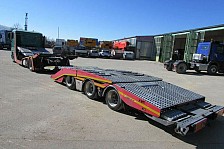
| Open car carrier (road) | Cheap, fast, door-to-door anywhere | Exposed to dust and rain | Normal cars, average budget, low urgency |
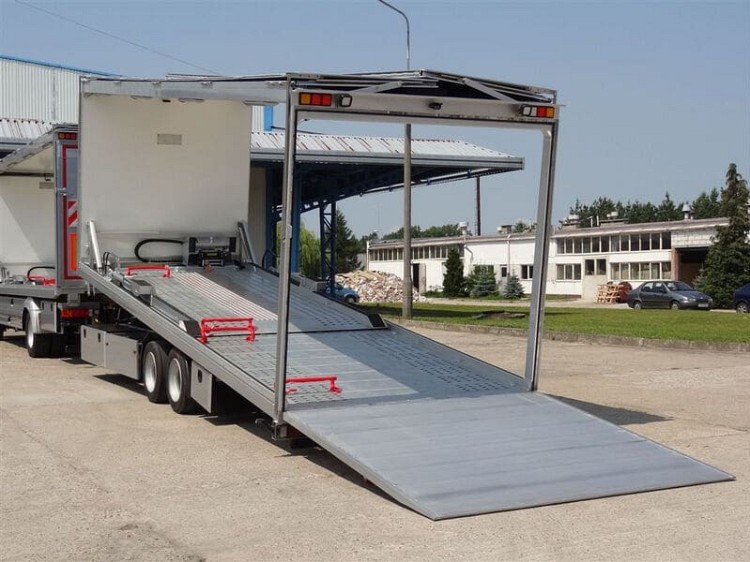
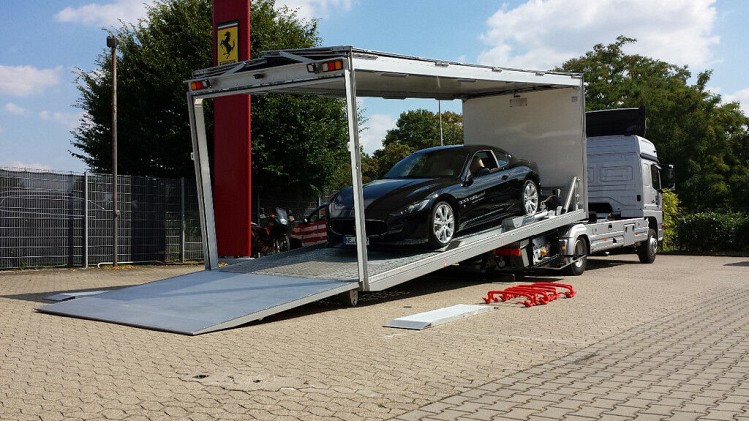
| Enclosed car carrier (road) | Full protection from weather | More expensive, lower availability | High-value, classic or new cars |
| RO-RO (ship) | You can load personal belongings, relaxed | Fixed port-to-port times, less flexible | Moves with luggage, low urgency |
| Container | Maximum protection, combines with furniture | Higher cost, port handling times | Full household moves, large volumes |
(Air freight only for extreme premium/urgent cases: 5-10 times more expensive and has strict weight limits.)
Pickup from a Spanish Dealer: What to Ask For in Advance
If the car is still at the dealership (very common with online purchases), prepare these things beforehand:
- Request a written authorisation signed by the seller (in Spanish and, if possible, translated) so the transporter can collect the vehicle.
- Book a precise appointment (many dealers close at 13:00 on Saturday and are closed on Sunday).
- Check that the yard is accessible to a car-carrier truck (needs manoeuvring space — many underground or narrow car parks are unsuitable).
- Make sure they have the keys ready and the original documents (circulation permit, invoice, logbook).
- Ask them to leave the tank almost empty (10-15%) and remove any personal items.
A small mistake here and the pickup is cancelled, causing a 3-4 day delay.
Door-to-Door Pickup and Delivery: How to Avoid Refusals
The driver arrives with an 18-20 metre truck. You need at least 5-6 metres of clear space in front and behind for manoeuvring. In Spain, watch out for ZTL zones in Barcelona or Madrid — better to give a nearby parking address or secondary location. Same story in Italy for historic centres. Always communicate your exact availability time and have an active WhatsApp contact. Even a 30-minute delay can cause the driver to skip the pickup.
Running vs Non-Running / Damaged Car: Practical Differences
If the car drives (engine, brakes and battery ok) loading is quick and cheaper. If it’s damaged or has been stationary for months, a forklift or hydraulic tail-lift is needed: extra cost of €80-150 and +1 day. Declare it immediately in the quote — serious transporters have the right equipment, but they need to know in advance.
Vehicle Preparation Checklist (Print This)
- Empty the car completely — no personal belongings (fines and insurance issues)
- Leave the tank at 10-15% (fire safety)
- Take photos from multiple angles + a short video
- Keep a spare set of keys with you (driver keeps one)
- Temporarily disable alarm and GPS tracker
- Remove temporary Spanish plates and prepare original documents
- Clean windows and interior (makes inspection easier)
Insurance: What It Covers and When You Need Extra
The standard carrier policy covers damage from road or sea accidents. Always ask for the coverage limit and exclusions (pre-existing scratches are usually not covered). For cars over €30,000 or classics, adding “all-risk” cover is advisable (+10-15%).
How Much Does Car Shipping from Spain to Italy Really Cost?
Price depends on: distance (Barcelona–Milan costs less than Seville–Bari), transport type (enclosed +30-50%, ship +20%), vehicle condition, address accessibility, and seasonality (July–August +15-20%). There are no fixed rates, but comparing several quotes quickly shows who is competitive.
Real Route Examples: What Actually Changes
- Barcelona → Milan: 4-6 days, open car carrier almost always available, direct motorway routes. Perfect for normal cars.
- Madrid → Rome: 8-10 days, often combined load, pay attention to Pyrenees passes in winter. RO-RO possible but less frequent.
- Valencia → Genoa: 5-7 days — here the RO-RO ship from Valencia or Alicante becomes interesting if you’re also moving boxes.
When the Ship Really Makes Sense (and When It’s a Bad Idea)
The RO-RO ship (Barcelona–Genoa or Valencia–Genoa) is a good choice if:
- You have time (20-25 hours crossing + port days)
- You’re moving furniture or luggage with the car
- You want a relaxed journey and maybe sleep in a cabin
It’s a bad idea if:
- You’re in a hurry
- The car is damaged (ports often refuse non-running vehicles)
- Delivery is far from the port (e.g. Turin or Naples)
Common Mistakes to Avoid (Spain → Italy)
- Giving an address in a ZTL or narrow alley
- Not declaring a non-running car
- Leaving personal items in the boot
- Expecting “two-day” delivery like in Italy
- Forgetting to disable satellite alarm
- Not preparing original documents (Spanish circulation permit)
How Trasportami Works for Your Shipment
- Enter the route (Spain–Italy), car model, whether it runs or not, and addresses.
- Receive the quote from our support team.
- Once accepted, prepare your vehicle as explained in this article.
- Ship your car stress-free.
For your car shipping from Spain to Italy, enter your details on Trasportami: in just a few minutes you’ll have clear quotes and can choose with complete peace of mind.